
Welcome! This manual guides installation and operation of your Sharp portable air conditioner, designed for cooling, dehumidifying, and ventilation within your home environment.
What’s Included in the Box
Carefully unpack your Sharp portable air conditioner and verify that all components are present. Your package should contain the following items: one (1) portable air conditioner unit itself, ensuring it’s free from shipping damage. You’ll also find one (1) remote control for convenient operation from a distance. A crucial component is the air outlet hose, essential for expelling warm air outside.
Additionally, there’s a packing material used for device protection during transit, and of course, this comprehensive instruction manual to guide you through setup and use. Some models may include a window kit for easy installation in standard windows. Please check the contents against the packing list to confirm everything is accounted for before proceeding. Retain the original packaging for potential future transport or warranty claims.
Safety Precautions
To ensure safe operation, please read these precautions carefully before using your Sharp portable air conditioner. Always ensure the unit is properly grounded to prevent electrical shock. Do not operate with a damaged power cord or plug. Avoid using extension cords; plug directly into a suitable outlet.
Keep the air inlet and outlet clear of obstructions. Never insert objects into the unit. Do not use near flammable materials or gases. Regularly clean the air filter to maintain performance and air quality. Disconnect the unit during cleaning or maintenance. If the unit malfunctions, do not attempt repairs yourself; contact qualified service personnel. This appliance is not intended for use by persons (including children) with reduced physical, sensory or mental capabilities.
Understanding Your Air Conditioner’s Components
Familiarize yourself with the unit’s parts: front panel controls, rear exhaust hose connection, and the included remote control for optimal functionality.
Front Panel Controls
The front panel houses the intuitive controls for your Sharp portable air conditioner. Typically, you’ll find a power button to initiate operation, alongside mode selection buttons for cooling, dehumidification, and fan-only functions. Temperature adjustment buttons, often indicated with up and down arrows, allow precise climate control.
Fan speed settings, usually low, medium, and high, are also accessible here, enabling you to customize airflow. A timer button facilitates automated operation, setting desired run times. Some models feature a sleep mode button, optimizing comfort during rest. Indicator lights clearly display the selected mode, temperature, and timer status, providing immediate feedback on the unit’s operation. These controls offer convenient, on-unit management of your air conditioning experience.
Rear Panel Features (Exhaust Hose Connection)
The rear panel is dedicated to essential ventilation. It prominently features the exhaust hose connection, a crucial component for expelling warm air generated during the cooling and dehumidification processes. This connection ensures efficient operation by preventing heat recirculation into the room.
Proper attachment of the exhaust hose is vital; a secure fit minimizes warm air leakage, maximizing cooling performance. You’ll find a designated port for the hose, often with a threaded or snap-lock mechanism. Air intake vents are also located on the rear panel, drawing in fresh air for cooling. Ensure these vents remain unobstructed for optimal airflow. Ignoring these features can compromise the unit’s efficiency and potentially lead to overheating.
Remote Control Overview
Your Sharp portable air conditioner includes a convenient remote control for effortless operation from a distance; The power button initiates or terminates operation, while the ‘Mode’ button cycles through cooling, dehumidification, and fan-only settings. Temperature adjustment buttons allow precise control over your desired room temperature.
Fan speed controls offer options for varying airflow intensity, ranging from gentle breezes to powerful cooling. A timer button enables pre-set operation schedules for convenience and energy savings. The ‘Sleep’ mode gradually adjusts temperature for comfortable nighttime operation. Ensure the remote control has fresh batteries for optimal responsiveness. Point the remote directly at the air conditioner’s front panel for reliable communication.
Installation Guide
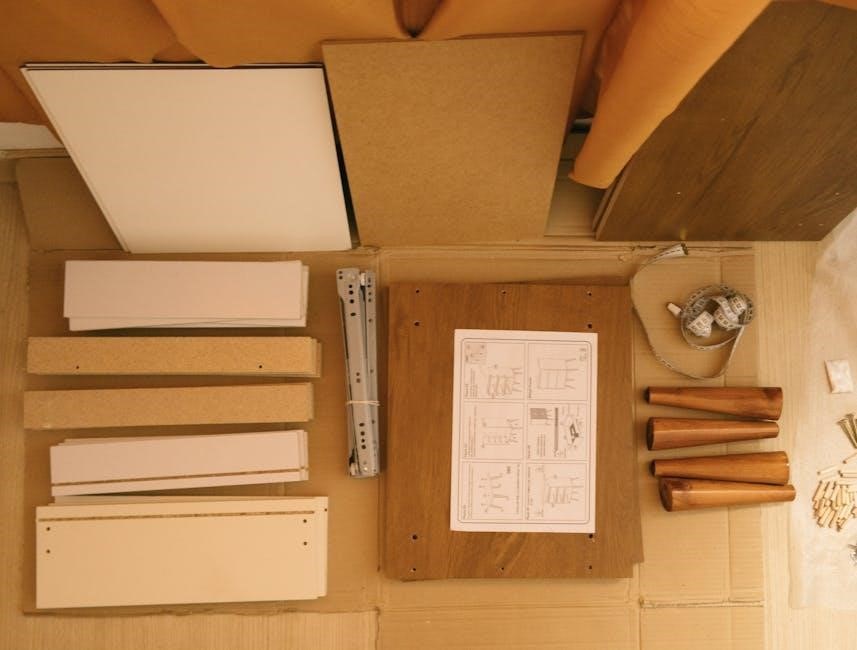
Proper installation is crucial for optimal performance. This section details preparing the exhaust hose, installing the window kit, and connecting components securely.
Preparing the Exhaust Hose
Before installation, carefully unpack the exhaust hose and inspect it for any damage incurred during shipping. Ensure the hose is fully extended and free from kinks or bends, as these can restrict airflow and reduce cooling efficiency. The exhaust hose is essential for venting hot air outside, preventing it from recirculating within the room.
Connect one end of the exhaust hose to the air conditioner’s exhaust outlet, typically located on the rear panel. Securely twist and lock the hose into place, ensuring a tight seal to prevent air leakage. The other end of the hose will connect to the window kit, which directs the hot air outdoors. Proper hose preparation and connection are vital for the unit’s effective operation and preventing potential issues like overheating or reduced cooling capacity.
Window Kit Installation
Begin by selecting a suitable window for installation, ensuring it can be securely closed around the window kit. Assemble the window kit components according to the included diagrams, adjusting the length of the kit panels to fit your window opening precisely. Insert the assembled kit into the window, creating a snug fit to minimize air leakage.
Secure the window kit using the provided screws or brackets, ensuring it’s firmly in place and won’t shift during operation. The window kit provides a sealed pathway for the exhaust hose, directing hot air outside. Proper installation is crucial for maximizing cooling efficiency and preventing warm air from re-entering the room. Double-check the seal around the kit for any gaps.
Connecting the Exhaust Hose to the Unit and Window Kit
First, securely attach one end of the exhaust hose to the designated port on the rear of the portable air conditioner. Ensure a tight connection, often requiring a clockwise twist-lock mechanism, to prevent air leakage. Next, connect the other end of the exhaust hose to the opening in the installed window kit. Again, confirm a secure fit, utilizing any provided clamps or fasteners.
Properly connecting the exhaust hose is vital for efficient operation; it expels hot air outside. Inspect the connections for any gaps or looseness, as these reduce cooling performance. A poorly connected hose allows warm air to recirculate, diminishing the unit’s effectiveness. Verify the hose isn’t kinked or obstructed.
Operating Instructions
Begin by powering on the unit and selecting your desired mode: cooling, dehumidification, or fan-only, utilizing the front panel controls or remote control.
Powering On and Initial Setup
Before initial use, ensure the unit is positioned on a level surface and the exhaust hose is properly connected, as detailed in the Installation Guide. Connect the power cord to a grounded outlet. Press the power button on the front panel or remote control to activate the air conditioner.
Upon powering on, the unit may perform a self-diagnostic check. Allow a few moments for the system to initialize. The display panel will illuminate, indicating the unit is ready for operation. It’s crucial to read the operation manual before using the device. Select your preferred operating mode – cooling, dehumidification, or fan – using the mode selection button.
For optimal performance, initially set the temperature to a comfortable level and adjust the fan speed as needed. Remember that dehumidification mode will generate heat, increasing room temperature. Familiarize yourself with the control panel and remote functions for efficient operation.
Cooling Mode Operation
To activate Cooling Mode, press the “Cool” button on the control panel or remote. Use the temperature adjustment buttons to select your desired room temperature. The unit will begin cooling the air and displaying the set temperature. Ensure the exhaust hose is correctly installed to vent hot air outside; improper installation reduces cooling efficiency.
The fan speed can be adjusted using the fan speed control buttons – options typically include low, medium, and high. Higher fan speeds provide faster cooling but may increase noise levels. Monitor the room temperature and adjust settings accordingly for optimal comfort.
Be mindful that a significant temperature drop may cause the unit to freeze. If this occurs, increase the set temperature to prevent ice formation. Regularly check the air filter for cleanliness to maintain cooling performance.
Dehumidification Mode Operation
To initiate Dehumidification Mode, press the designated “Dehumidify” button on either the unit’s control panel or the remote control. In this mode, the air conditioner extracts moisture from the room, reducing humidity levels. Note that dehumidification mode inherently increases room temperature as a byproduct of the process; this is normal operation.
Warm air will be expelled through the exhaust hose, even though the primary function is moisture removal. The unit generates heat during dehumidification, so expect a slight rise in room temperature. Regularly emptying the water tank is crucial for continuous operation; the unit will typically indicate when the tank is full.
Avoid setting excessively low temperatures while in dehumidification mode, as this can lead to unnecessary energy consumption and potential freezing.
Fan Mode Operation
Engage Fan Mode by pressing the “Fan” button on the control panel or remote. This mode circulates air within the room without providing cooling. It’s ideal for simply refreshing the air or complementing other heating/cooling sources. You can typically select from multiple fan speeds – Low, Medium, and High – to adjust the airflow intensity to your preference.
In Fan Mode, the compressor is deactivated, resulting in lower energy consumption compared to Cooling or Dehumidification modes. The exhaust hose is still required to be connected, allowing for proper air circulation. This mode is particularly useful for distributing heated air from a furnace or cooled air from central air conditioning.
Remember to select your desired fan speed for optimal comfort and air movement.
Advanced Features & Settings
Explore enhanced control! Adjust temperature, fan speeds, set timers, and activate Sleep Mode for personalized comfort and efficient operation of your Sharp unit.
Temperature Adjustment
Setting Your Desired Comfort Level: Your Sharp portable air conditioner allows precise temperature control to create the perfect indoor climate. Use the remote control or the front panel controls to adjust the target temperature. The temperature range is typically between 64°F (18°C) and 86°F (30°C), though this may vary slightly depending on the specific model;
Press the “Temp Up” or “Temp Down” buttons to increase or decrease the set temperature in 1°F (or 1°C) increments. The display will show the currently selected temperature. Remember that setting a significantly lower temperature than the room temperature won’t necessarily cool the room faster; it might even lead to the unit freezing. A moderate temperature setting is generally more efficient and prevents potential issues. Consider a gradual adjustment for optimal comfort and performance.
Fan Speed Control
Optimizing Airflow for Your Needs: Your Sharp portable air conditioner offers multiple fan speed settings to customize airflow and noise levels. Typically, you’ll find options like Low, Medium, and High, accessible via the remote control or the unit’s front panel. Selecting a lower fan speed minimizes noise and energy consumption, ideal for quiet environments or nighttime use.
Higher fan speeds provide more powerful airflow for faster cooling. The “Auto” fan speed setting automatically adjusts the fan based on the temperature difference between the set temperature and the room temperature. This provides a balance between comfort and energy efficiency. Experiment with different fan speeds to find the setting that best suits your preferences and the room’s cooling requirements. Remember, higher speeds consume more power.
Timer Function
Scheduling Operation for Convenience: The timer function allows you to pre-set the air conditioner to automatically turn on or off at a specified time. This feature enhances convenience and can contribute to energy savings. To set the timer, use the “Timer” button on the remote control or the control panel. You can typically set a delay before the unit turns off, or a time for it to automatically power on.
The timer settings usually range from 1 to 24 hours. Ensure the current time is correctly set for accurate scheduling. Utilizing the timer function means you can return to a cool room after work or ensure the unit doesn’t run unnecessarily overnight, reducing energy costs and maximizing comfort. Refer to the display for confirmation of your timer settings.

Sleep Mode
Enjoy Comfortable Sleep with Optimized Cooling: Sleep mode is designed to provide a comfortable sleeping environment by gradually increasing the room temperature during the night. This prevents overcooling and conserves energy. When activated, the air conditioner will slowly raise the set temperature by 1-2 degrees Celsius over several hours.
This gentle temperature adjustment mimics the natural body temperature decrease during sleep, promoting a more restful experience. To activate sleep mode, press the designated “Sleep” button on the remote control. The unit will automatically adjust its operation. Sleep mode typically also reduces fan speed for quieter operation. Deactivating sleep mode returns the unit to its previously set parameters.
Maintenance and Troubleshooting
Ensure Optimal Performance: Regular cleaning of the air filter and proper water drainage are crucial for maintaining efficiency and resolving common operational issues.
Cleaning the Air Filter
Maintaining clean air filters is essential for optimal performance and longevity of your Sharp portable air conditioner. A clogged filter restricts airflow, reducing cooling efficiency and potentially causing the unit to overheat. Regular cleaning, ideally every two weeks during periods of frequent use, is highly recommended.
To clean the filter, first power off and unplug the air conditioner. Locate the filter access panel – typically on the rear or side of the unit. Gently remove the air filter. Use a vacuum cleaner with a brush attachment to remove loose dust and debris. For a more thorough cleaning, wash the filter with mild detergent and lukewarm water.
Rinse thoroughly and allow the filter to air dry completely before reinstalling it. Never operate the air conditioner without the filter in place, as this can damage the unit. A clean filter ensures efficient cooling, improved air quality, and extends the lifespan of your Sharp portable air conditioner.
Draining Water (Dehumidification Mode)
When operating in dehumidification mode, your Sharp portable air conditioner collects moisture from the air, which accumulates in an internal tank. Regularly draining this tank is crucial to prevent overflow and ensure continued operation. The unit may have an indicator light or signal to alert you when the tank is full.
To drain the tank, power off and unplug the air conditioner. Locate the drain tank access – usually at the rear or bottom of the unit. Carefully remove the tank, being mindful of any remaining water. Empty the water into a suitable drain and thoroughly rinse the tank with clean water.
Ensure the tank is securely reinstalled before resuming operation. Some models may feature a continuous drain option, allowing connection to a drain hose for automatic water removal. Proper drainage prevents water damage and maintains the dehumidification performance of your Sharp portable air conditioner.
Troubleshooting Common Issues (Freezing, No Cooling)
If your Sharp air conditioner isn’t cooling effectively, or ice forms on the cooling coils, several factors could be at play. First, check the air filter – a clogged filter restricts airflow, causing freezing. Ensure the exhaust hose is properly connected and not kinked, as this hinders heat expulsion.
Low refrigerant levels can also cause insufficient cooling, requiring professional service. If the unit freezes, power it off and allow the ice to thaw completely before restarting, and increase the temperature setting. No cooling may also indicate a blocked exhaust vent or a malfunctioning compressor.
Consult the error codes displayed (if applicable) and refer to the full manual for specific solutions. If problems persist, contact a qualified technician for assistance.
Important Considerations
Remember, dehumidification mode generates heat, raising room temperature; warm air from the exhaust is normal. Prevent freezing by adjusting temperature settings accordingly.
Preventing Unit Freezing
To avoid ice formation on your Sharp portable air conditioner, several factors require attention. Operating the unit in excessively low ambient temperatures can contribute to freezing, as can setting the thermostat to a very low temperature. If the unit begins to freeze, immediately increase the thermostat setting.
Ensure proper ventilation; restricted airflow can also cause freezing. Regularly clean the air filter to maintain optimal airflow. In dehumidification mode, remember the unit naturally generates heat, but a further temperature drop can still induce freezing if the set temperature is too low. Monitoring the unit and adjusting settings proactively will ensure efficient and trouble-free operation, preventing ice buildup and maintaining cooling performance.
Understanding Heat Generation in Dehumidification Mode
Dehumidification operates differently than cooling. While removing moisture from the air, your Sharp portable air conditioner inherently generates heat as a byproduct of the condensation process. This means the room temperature will likely increase during dehumidification, even though the air feels less humid.
Warm air will be expelled through the exhaust outlet – this is perfectly normal and doesn’t indicate a malfunction. The unit isn’t designed to cool the room in this mode; its primary function is moisture removal. Understanding this heat generation prevents confusion and ensures you’re utilizing the dehumidification feature correctly for optimal comfort and a drier indoor environment. It’s a natural consequence of the physics involved in condensing water from air.