Month: January 2026 (page 1 of 1)

pathfinder guide

Pathfinder Guide: Forge Your Legend

Pathfinder is a captivating fantasy tabletop roleplaying game, where your decisions and dice rolls weave a unique narrative!

Embark on heroic journeys within a customizable ruleset, crafting characters and adventures for unforgettable moments around the gaming table․

Explore a vibrant world, brimming with challenges, and become the hero your story deserves – a legend forged in adventure!

What is Pathfinder?

Pathfinder is a fantasy tabletop roleplaying game (TTRPG) designed to immerse players in worlds of adventure, heroism, and collaborative storytelling․ At its core, Pathfinder empowers you and your friends to become the protagonists of your own epic saga, where choices truly matter and the outcome is shaped by both strategic decision-making and the unpredictable roll of the dice․

Unlike many forms of entertainment, Pathfinder isn’t a pre-scripted experience; it’s a dynamic, evolving narrative built collectively․ Players create unique characters, defining their backgrounds, skills, and motivations, then navigate a richly detailed world guided by a Game Master (GM)․ The GM acts as the storyteller, referee, and architect of the challenges the players face․

Pathfinder Second Edition, in particular, offers an accessible yet deeply customizable ruleset, allowing for a vast range of character builds and playstyles․ Whether you prefer wielding powerful magic, mastering martial combat, or employing cunning strategy, Pathfinder provides the tools to bring your heroic vision to life․ It’s a game about forging your own legend!

The Core Concepts of Pathfinder 2e

Pathfinder 2e revolves around three core pillars: Action Economy, Three-Action System, and Degrees of Success․ The three-action system grants players three actions per turn, fostering dynamic choices beyond simply attacking․ These actions can be moved, reacted, or used to interact with the environment․

Degrees of Success move beyond simple pass/fail outcomes․ Rolls are categorized as Critical Success, Success, Failure, and Critical Failure, each with varying consequences, adding nuance to every attempt․ This system ensures that even failures can be interesting and contribute to the story․

Character building emphasizes customization through ancestries, backgrounds, and classes, allowing for unique and flavorful heroes․ Proficiency ranks – Untrained, Trained, Expert, Master, and Legendary – determine a character’s skill level․ These core concepts combine to create a strategic, engaging, and narratively rich gameplay experience․

Pathfinder’s History and Editions

Pathfinder originated as a modification of the 3․5 edition of Dungeons & Dragons, created by Paizo Publishing after Wizards of the Coast announced changes to D&D’s license․ This led to the development of Pathfinder Roleplaying Game, initially designed for compatibility with 3․5e rules․

The first edition quickly gained popularity, becoming a significant force in the tabletop RPG landscape․ Later, Paizo embarked on a complete overhaul, resulting in Pathfinder Second Edition (2e)․ This new edition streamlined mechanics, improved balance, and focused on player agency․

Pathfinder 2e represents a significant departure from its predecessor, offering a more modern and accessible experience․ Paizo continues to support both editions with new content, ensuring a thriving community and a wealth of adventures for players of all levels․ The French translation is done by Black Book Editions․

Character Creation in Pathfinder 2e

Crafting your hero involves selecting ancestries, backgrounds, and classes, then customizing abilities with skills and feats – a truly personalized adventure awaits!

Ancestries: Choosing Your Heritage

Ancestry defines your character’s fundamental nature, representing their inherited lineage and biological traits within Golarion’s diverse world․ This choice impacts not only physical characteristics but also inherent abilities and cultural inclinations․

Pathfinder 2e offers a wide array of ancestries, from classic fantasy races like elves and dwarves to more exotic options such as catfolk, kobolds, and leshy – plant-based humanoids․ Each ancestry provides unique heritages, further specializing your character’s background and granting distinct benefits․

Consider how your ancestry influences your character’s story and roleplaying potential․ Are you a stoic dwarf seeking to reclaim ancestral glory, or a nimble elf attuned to the mysteries of the forest? Your heritage is the foundation upon which your legend will be built, shaping your interactions and defining your place in the Pathfinder world․

Backgrounds: Defining Your Character’s Past

Backgrounds in Pathfinder 2e are crucial for fleshing out your character beyond their ancestry and class, establishing their history, motivations, and connections to the world․ They represent your character’s life experiences before embarking on their adventuring career;

Choosing a background provides skill increases, a feat, and a unique backstory element that influences roleplaying opportunities; Options range from Charlatan and Criminal to Hermit and Noble, each offering distinct advantages and narrative hooks․

Your background isn’t merely a mechanical benefit; it’s a springboard for creating a compelling character with depth and personality․ Consider how your past shapes your present actions and goals․ A former soldier might struggle with PTSD, while a raised-by-wolves character could have unusual social quirks․ Backgrounds breathe life into your hero!

Classes: The Pillars of Your Hero

Classes are the foundational building blocks of your Pathfinder 2e character, defining their core competencies and role within the adventuring party․ They dictate your character’s primary abilities, skills, and progression path․

Pathfinder 2e offers a diverse range of classes, from the martial prowess of the Fighter and Rogue to the magical mastery of the Wizard and Cleric․ Each class features unique mechanics, feats, and playstyles․

Choosing a class isn’t just about combat effectiveness; it’s about defining your character’s identity and how they interact with the world․ A Champion embodies courage and righteousness, while an Investigator relies on intellect and deduction․ Your class shapes your narrative and provides a framework for heroic deeds!

Skills and Feats: Customizing Your Abilities

Skills and feats are the tools that allow you to truly personalize your Pathfinder 2e character, moving beyond the broad strokes defined by your class and ancestry․ Skills represent your character’s learned abilities and expertise in various areas, like Athletics, Stealth, or Diplomacy․

Feats, on the other hand, are special talents and abilities that grant unique benefits, enhancing your character’s strengths or mitigating weaknesses․ They provide a granular level of customization, allowing you to tailor your hero to your preferred playstyle․

Investing in skills and selecting appropriate feats is crucial for optimizing your character’s effectiveness and creating a truly unique individual․ They are the key to unlocking your character’s full potential!

Gameplay Mechanics

Pathfinder 2e utilizes a robust dice system, primarily the d20, to resolve actions and challenges during gameplay, creating dynamic and engaging encounters!

The Dice System: Understanding d20 Rolls

Pathfinder 2e’s core mechanic revolves around the d20, but it’s far more nuanced than simply “roll high․” Most actions require a d20 roll plus relevant modifiers – ability scores, skill bonuses, and circumstance bonuses or penalties․

The result is compared to a Difficulty Class (DC) set by the Game Master (GM)․ Success isn’t just about beating the DC; the degree of success matters․ Critical successes (rolling a natural 20) yield exceptional results, while critical failures (rolling a natural 1) lead to disastrous outcomes․

Furthermore, Pathfinder 2e introduces a three-action economy․ Each turn, you have three actions to spend, allowing for strategic flexibility․ The d20 roll is crucial for determining the outcome of these actions, whether it’s attacking, casting a spell, or attempting a skill check․ Understanding these mechanics is fundamental to mastering the game․

Combat Basics: Initiative, Actions, and Movement

Combat in Pathfinder 2e is a dynamic, turn-based affair․ It begins with determining initiative – each participant rolls a d20 plus their Perception modifier to establish the turn order․ Higher rolls act first, creating a strategic flow․

During your turn, you have three actions to utilize․ These can include moving, attacking, casting spells, or performing other maneuvers․ Movement is measured in feet, and terrain can affect your speed․ Actions are carefully considered, as efficient use is key to victory․

Attacks involve rolling a d20, adding relevant modifiers, and comparing the result to the target’s Armor Class (AC)․ Successful hits inflict damage, determined by your weapon or spell․ Positioning and tactical awareness are vital for survival and success in Pathfinder 2e’s engaging combat system․

Spellcasting: Harnessing Magical Power

Spellcasting in Pathfinder 2e is a versatile system, fueled by magical traditions like arcane, divine, and primal․ Casters prepare spells from their spell lists, choosing effects to have ready for the day․ Spells are categorized by level, with higher levels offering more potent abilities․

To cast a spell, you typically expend a spell slot of the appropriate level and make a spell attack roll or spell DC check․ Success unleashes the spell’s effects, ranging from healing allies to blasting enemies with elemental energy․

Focus Points are a crucial resource, enhancing spellcasting and allowing for heightened effects․ Mastering spell selection, preparation, and skillful execution is essential for any aspiring Pathfinder mage, shaping the tide of battle and overcoming challenges․

Exploring the Pathfinder World

Golarion beckons adventurers! Discover diverse regions, powerful factions, and formidable monsters within this richly detailed fantasy setting, ripe for exploration and heroic deeds․

Golarion: The Setting for Your Adventures

Golarion, the primary setting for Pathfinder, is a world steeped in ancient history, diverse cultures, and potent magic․ It’s a planet scarred by past cataclysms, yet brimming with opportunities for exploration and heroism․ From the rugged, monster-infested wilderness of the Mwangi Expanse to the politically charged city-states of Cheliax, Golarion offers a breathtaking variety of landscapes and challenges․

The world is recovering from the Age of Lost Omens, a period of immense magical upheaval, leaving behind powerful artifacts and lingering threats․ Numerous nations and factions vie for power, each with their own agendas and secrets․ Players can become embroiled in grand political schemes, uncover lost civilizations, or simply forge their own path as adventurers․ Golarion isn’t just a backdrop; it’s a living, breathing world that reacts to your choices, offering a truly immersive roleplaying experience․

Prepare to encounter ancient ruins, bustling marketplaces, and dangerous dungeons – Golarion awaits!

Key Regions and Factions

Golarion boasts a wealth of distinct regions, each harboring unique factions․ Cheliax, a nation ruled by diabolical pacts, stands in stark contrast to the democratic ideals of Andoran․ The untamed Mwangi Expanse holds ancient secrets guarded by tribal societies and dangerous creatures, while the frozen lands of Irrisen are dominated by the tyrannical Ice Queen․

Powerful organizations like the Pathfinder Society, dedicated to exploration and knowledge, operate across the globe․ The secretive Aspis Consortium controls trade and information, and the militant Red Mantis Assassins sow chaos from the shadows․ These factions aren’t merely background elements; they offer opportunities for alliances, rivalries, and intricate storylines․

Understanding these regions and the groups within them is crucial for navigating Golarion’s complex political landscape and shaping your character’s destiny․

Monsters and Creatures: Facing the Challenges

Golarion teems with a diverse bestiary, presenting adventurers with formidable challenges․ From common goblins and bandits to legendary dragons and ancient undead, danger lurks around every corner․ The wilderness holds monstrous beasts like the fearsome thylacine and colossal cave giants, while dungeons conceal aberrations and fiends from beyond the planes․

Combat isn’t always the answer; some creatures can be negotiated with, tricked, or even befriended․ However, preparation is key․ Understanding a monster’s weaknesses, abilities, and motivations can be the difference between victory and defeat․

Facing these challenges tests your skills, teamwork, and strategic thinking, ultimately forging you into a true Pathfinder hero․

Resources for Pathfinder Players

Paizo offers official products, while vibrant communities and forums connect players․ Digital tools and immersive video games enhance your Pathfinder experience!

Paizo’s Official Website and Products

Paizo Publishing stands as the cornerstone for all things Pathfinder, offering a wealth of resources directly through their official website, paizo․com․ Here, you’ll discover a comprehensive catalog of rulebooks, adventure paths, and supplementary materials essential for both new and seasoned players․

Explore core rulebooks detailing character creation, gameplay mechanics, and the expansive world of Golarion․ Adventure Paths provide pre-written campaigns, guiding you through epic storylines and challenging encounters․ Beyond these, find character options, bestiaries filled with monstrous foes, and accessories like maps and miniatures․

Paizo also offers subscription services, delivering regular content updates and exclusive materials․ Don’t forget to check out their online store for dice, gaming accessories, and organized play opportunities, fostering a thriving community around the Pathfinder RPG!

Pathfinder Communities and Forums

Pathfinder boasts a remarkably active and supportive community, readily available to assist players at all levels of experience․ Numerous online forums and communities serve as hubs for discussion, advice, and collaborative storytelling․

Dedicated forums, like those found on Paizo’s website, allow players to connect, share character builds, seek guidance on rules interpretations, and organize games․ Reddit’s r/Pathfinder2e is another vibrant space for discussion and seeking help․ Beyond these, dedicated Discord servers offer real-time interaction and a sense of camaraderie․

These communities are invaluable resources for finding gaming groups, learning advanced strategies, and immersing yourself in the rich lore of Golarion․ Engage with fellow adventurers and enhance your Pathfinder journey through shared knowledge and collaborative play!

Digital Tools and Apps for Pathfinder

Pathfinder benefits from a growing ecosystem of digital tools designed to streamline gameplay and enhance the overall experience․ Several applications assist with character creation, combat tracking, and rules referencing, moving beyond traditional pen-and-paper methods․

Popular options include Pathbuilder 2e, a comprehensive character creation tool, and Fight Club 5e (adaptable for Pathfinder 2e), which simplifies combat management․ Online resources like AoV (Archives of Nethys) provide a searchable database of rules, spells, and creatures․

These digital aids can significantly reduce bookkeeping, allowing players and Game Masters to focus on storytelling and strategic decision-making․ Explore these tools to optimize your Pathfinder sessions and unlock new levels of convenience and efficiency!

Pathfinder Video Games: Immersive Experiences

Pathfinder’s rich universe extends beyond the tabletop, offering immersive experiences through a variety of video game adaptations․ Pathfinder: Kingmaker and its sequel, Pathfinder: Wrath of the Righteous, are critically acclaimed isometric RPGs that faithfully translate the tabletop ruleset into a digital format․

These games allow players to explore the vast world of Golarion, build complex characters, and make impactful choices that shape the narrative․ Additionally, the Pathfinder Adventure Card Game has a digital adaptation, providing a unique cooperative gameplay experience․

These video games serve as excellent entry points to the Pathfinder setting and offer a compelling way to experience the depth and complexity of the roleplaying system․

Advanced Pathfinder Concepts

Delve into character optimization, mastering game mechanics, and crafting unique homebrew content to elevate your Pathfinder experience and storytelling prowess!

Character Optimization and Build Crafting

Mastering Pathfinder 2e involves more than just understanding the rules; it’s about synergistic character building․ Effective optimization isn’t solely about maximizing damage output, but about creating a character that excels in their chosen role and complements the party․

Consider ancestry, background, and class features carefully, looking for combinations that unlock powerful abilities․ Feats are crucial – strategically selecting them allows for specialization and addressing weaknesses․ Don’t underestimate the power of skill increases; a well-rounded character is often more valuable than a one-trick pony․

Explore online resources and community builds for inspiration, but always tailor your character to your preferred playstyle․ Understanding action economy and resource management is vital․ Experiment with different builds and don’t be afraid to respec if something isn’t working․ A truly optimized character is both powerful and fun to play!

Game Mastering: Running the Game

Becoming a Pathfinder 2e Game Master (GM) is about more than knowing the rules; it’s about collaborative storytelling․ Preparation is key – familiarize yourself with the adventure path or create your own world, outlining key locations, NPCs, and encounters․

Embrace improvisation! Players will inevitably deviate from your plans, so be ready to adapt and think on your feet․ Focus on creating a compelling narrative and engaging encounters that challenge your players․ Remember to balance combat with roleplaying opportunities․

Effective GMs are fair, consistent, and prioritize player fun․ Learn to adjudicate rules disputes quickly and confidently․ Utilize Paizo’s resources and the Pathfinder community for support and inspiration․ Most importantly, remember that your role is to facilitate a memorable experience for everyone at the table!

Homebrew Content: Creating Your Own Adventures

Pathfinder 2e truly shines with homebrew content! Don’t be afraid to craft your own adventures, monsters, and even rules tweaks․ Start small – perhaps a single encounter or a new NPC for an existing campaign․ Consider the established lore of Golarion, but feel free to explore entirely new settings;

Balance is crucial․ When creating monsters, ensure they are appropriately challenging for your players’ level․ Playtest your creations thoroughly to identify any imbalances or loopholes․ Utilize online resources and forums to share your work and receive feedback from the community․

Remember the Pathfinder Community Use Policy, ensuring your creations respect Paizo’s intellectual property․ Homebrewing is a fantastic way to personalize your Pathfinder experience and contribute to the vibrant community!


thetford 3-way caravan fridge manual

Thetford 3-Way Caravan Fridge: A Comprehensive Guide

Understanding your Thetford fridge requires referencing the owner’s manual, detailing maintenance checklists and installation steps for N4000, N4080, and N4090 models.

Understanding 3-Way Fridge Technology

Thetford 3-way caravan fridges offer versatile cooling solutions, operating on gas, 12V DC, and 230V AC power sources. This technology provides flexibility for various camping scenarios, from off-grid adventures to powered campsites. Understanding how these systems function is crucial for safe and efficient operation, and the owner’s manual is your primary resource.

These fridges utilize an absorption cooling system, differing from traditional compressor-based refrigerators. Absorption relies on heat – supplied by gas, electricity, or DC power – to drive the cooling process, making them quieter and more robust for mobile applications. The 3-way capability ensures you’re never without refrigeration, adapting to available power. Proper installation, as detailed in the installation manual, is vital for optimal performance and longevity, including maintaining the correct angle and ventilation.

How Thetford 3-Way Fridges Operate

Thetford 3-way fridges employ an absorption refrigeration cycle. This process uses heat – from gas, 12V DC, or 230V AC – to circulate a refrigerant (typically ammonia and water). The heat causes the refrigerant to evaporate, absorbing heat from inside the fridge; This cooled refrigerant then condenses, releasing heat to the exterior.

The manual details the selector switch controlling the power source. On gas, a burner heats the boiler, initiating the cycle. On 12V DC, an electric heating element performs the same function. 230V AC also utilizes an electric heater. Crucially, the fridge must be reasonably level for proper refrigerant circulation, as outlined in the installation manual. Start-up procedures vary by power source; the manual provides specific instructions for DC operation, emphasizing the need for a stable 12V supply.

Gas Operation: Safety and Efficiency

Thetford fridge manuals strongly emphasize gas safety. Always ensure adequate ventilation to prevent carbon monoxide buildup. Before connecting to the gas supply, perform a leak test using soapy water on all connections, as detailed in the installation section. The manual specifies compatible gas types and pressures.

For efficient operation, maintain a consistent gas supply. Fluctuations can impact cooling performance and potentially extinguish the burner. Regularly inspect the burner flame – it should be blue and steady. A yellow or flickering flame indicates incomplete combustion and requires attention. The manual outlines procedures for relighting the burner if it goes out. Never attempt to modify the gas system; always consult a qualified technician. Proper gas operation, as described in the manual, maximizes cooling and minimizes risks.

12V DC Operation: Powering on the Road

Thetford fridge manuals detail 12V DC operation for convenient use while traveling. Before switching to DC power, verify your vehicle’s electrical system is compatible with the fridge’s voltage requirements; The manual specifies the acceptable voltage range to prevent damage. Ensure the wiring is adequately sized to handle the fridge’s current draw, preventing overheating and potential fire hazards.

When initiating DC operation, the manual instructs to turn the selector switch to the DC position. Note that DC operation typically has lower cooling capacity compared to gas or AC. The manual advises against prolonged DC use unless absolutely necessary, to conserve battery power. Regularly monitor your battery voltage to avoid deep discharge. Refer to the manual for troubleshooting DC operation issues, such as no power or insufficient cooling.

230V AC Operation: Using Mains Electricity

Thetford fridge manuals clearly outline procedures for safe and efficient 230V AC operation when connected to mains electricity at a campsite or similar location. Before connecting, confirm the power supply voltage matches the fridge’s requirements, typically 220-240V AC. Utilize a properly grounded outlet and avoid using adapters that compromise safety. The manual emphasizes the importance of a Residual Current Device (RCD) for added protection.

To activate AC operation, switch the fridge’s selector to the AC position. AC power generally provides the highest cooling performance. The manual cautions against operating the fridge on AC while simultaneously using gas, as this can cause malfunctions. Regularly inspect the power cord for damage and replace it if necessary. Consult the manual for troubleshooting AC-related issues, like lack of power or insufficient cooling, and always disconnect before performing any maintenance.

Installation and Setup

Thetford installation manuals provide step-by-step guidance for proper fridge placement, ensuring correct ventilation and adherence to gas and electrical regulations.

Correct Installation Angle and Ventilation

Ensuring proper installation is crucial for optimal performance. The manual specifies the refrigerator must operate within 3 degrees off level, side-to-side, or it won’t function correctly. Maintaining this angle guarantees efficient coolant circulation and prevents compressor damage.

Adequate ventilation is equally vital. The installation manual emphasizes the need for unobstructed airflow around the fridge, particularly at the rear where the burner and exhaust are located. Insufficient ventilation leads to overheating, reduced cooling efficiency, and potential safety hazards.

Clearances must be maintained as outlined in the manual; typically, several inches are required on all sides and above. Avoid enclosing the fridge in tight spaces or obstructing the ventilation openings. Proper installation safeguards efficient operation and extends the lifespan of your Thetford appliance.

Connecting to Gas Supply: Regulations and Checks

Gas connection requires strict adherence to local regulations and safety protocols, as detailed in the manual. Only a qualified gas engineer should perform this task. Before connecting, verify the gas supply pressure matches the fridge’s requirements – typically 30 mbar for European caravans and 11 inches water column for UK systems.

The manual stresses the importance of leak testing all connections using a suitable leak detection fluid (never a flame!). Ensure the gas pipework is correctly sized and fitted with appropriate shut-off valves. Regularly inspect the gas hose for cracks or damage, replacing it if necessary.

Always follow the manual’s instructions regarding ventilation around the gas burner. Proper ventilation prevents carbon monoxide build-up, a potentially fatal hazard. A correctly installed and maintained gas connection ensures safe and efficient fridge operation.

Electrical Connections: 12V and 230V

The manual details specific wiring requirements for both 12V DC and 230V AC operation. For 12V, use appropriately sized cable (refer to the manual for gauge recommendations) and connect directly to the vehicle’s battery via a fused connection. Ensure correct polarity – positive to positive, negative to negative – to avoid damage.

When using 230V AC (mains electricity), a suitable weatherproof connection point and circuit breaker are essential. The manual will specify the current rating and fuse size required. Never overload the circuit. Earth bonding is crucial for safety, as outlined in the installation guide.

Always disconnect the power supply before working on any electrical connections. Incorrect wiring can lead to fire or damage the fridge’s control system. Consult a qualified electrician if unsure about any aspect of the electrical installation.

Maintenance and Troubleshooting

The manual provides a refrigerator maintenance checklist, detailing cleaning procedures and solutions for common issues like no cooling or ignition problems.

Refrigerator Maintenance Checklist

Regular maintenance, as outlined in your Thetford 3-way fridge manual, is crucial for optimal performance and longevity. Begin by periodically checking the ventilation openings – ensure they are free from obstructions like dust or debris, as restricted airflow significantly impacts cooling efficiency. Inspect the door seals for damage or wear; a compromised seal leads to temperature fluctuations and increased energy consumption.

Clean the interior regularly with a mild detergent solution and warm water, avoiding abrasive cleaners that could damage surfaces. Don’t forget to thoroughly dry all components before restarting the fridge. The manual details specific cleaning recommendations for different interior parts. Furthermore, examine the burner assembly (for gas operation) for any signs of corrosion or blockage. Finally, always refer to the manual for recommended intervals for more in-depth servicing, potentially requiring a qualified technician.

Cleaning Your Thetford 3-Way Fridge

Thorough cleaning, guided by your Thetford 3-way fridge manual, preserves hygiene and efficiency. Begin by disconnecting the fridge from all power sources – gas, 12V, and 230V – for safety. Remove all food items and shelving. Prepare a solution of warm water and mild liquid detergent; avoid abrasive cleaners or solvents, as these can damage the interior surfaces.

Wash the interior walls, shelves, and door seals with the solution, using a soft cloth or sponge. Pay particular attention to spills or stains. Rinse thoroughly with clean water and dry completely with a clean towel. The manual may specify cleaning procedures for specific components. For the exterior, use a damp cloth and mild detergent. Ensure all parts are completely dry before reconnecting the fridge to power and replacing food items.

Common Problems and Solutions: No Cooling

If your Thetford 3-way fridge isn’t cooling, consult the manual first. Check the power source: is the gas supply open, the 12V connection secure, or the 230V plugged in and functioning? Ensure the selector switch is set to the correct power source. Verify the fridge is level – operation is compromised beyond 3 degrees off-level.

A blocked ventilation outlet restricts airflow, hindering cooling. Inspect and clear any obstructions. If using gas, confirm the igniter is working and the flame is stable. For 12V/230V, check fuses or circuit breakers. If the problem persists, the cooling unit may require professional attention. The manual details specific troubleshooting steps and safety precautions; always prioritize safety when investigating issues.

Ignition Issues: Troubleshooting Gas Start-Up

Difficulty igniting your Thetford 3-way fridge on gas often stems from a few common causes. First, consult your manual for specific instructions and safety warnings. Ensure the gas supply is fully open and the regulator is functioning correctly. Check the igniter – is it sparking? A weak spark indicates a potential issue with the igniter itself or its wiring.

A blocked burner jet can also prevent ignition. Carefully inspect and clean the jet, following the manual’s guidance. If the gas line has been inactive for a prolonged period, air may be trapped; try multiple ignition attempts. If problems persist, a qualified gas appliance technician should inspect the system. Never attempt repairs beyond your expertise; gas leaks pose a serious safety hazard.

Advanced Features & Specific Models

The manual details features of the N4000 series, including N4080 and N4090 differences, control panel settings, and winterizing procedures for optimal performance.

Thetford N4000 Series: Features and Specifications

The Thetford N4000 series represents a popular range of 3-way caravan refrigerators, and the owner’s manual is crucial for understanding its capabilities. These models, designed for reliable cooling in various conditions, boast features like automatic ignition on gas, efficient 12V DC operation for travel, and standard 230V AC compatibility when connected to mains power.

Specifications vary within the series, but generally include capacities ranging from 70 to 150 liters. The manual provides detailed dimensions, weight specifications, and energy consumption data for each specific model (N4000, N4010, etc.). It also outlines the importance of correct installation angle and adequate ventilation for optimal performance. Key features highlighted in the manual include adjustable thermostats, interior lighting, and durable construction designed for the rigors of caravan life. Understanding these specifications, as detailed in the manual, ensures users maximize the fridge’s efficiency and longevity.

Thetford N4080 & N4090: Model Differences

The Thetford N4080 and N4090, while both belonging to the N4000 series, exhibit key distinctions detailed within their respective owner’s manuals. The N4090 generally offers a larger internal capacity compared to the N4080, providing more storage space for perishable goods. The manual for each model specifies exact dimensions and weight differences, crucial for installation considerations.

Furthermore, the N4090 often incorporates enhanced features like improved insulation for greater energy efficiency, as outlined in its manual. Both models support 3-way operation (gas, 12V DC, and 230V AC), but the manual may indicate slight variations in gas consumption rates. The N4090’s manual might also detail a refined control panel interface or additional shelving configurations. Consulting the specific manual for each model is essential to understand these nuances and ensure optimal operation and maintenance.

Understanding the Control Panel and Settings

The Thetford 3-way fridge control panel, thoroughly explained in the owner’s manual, is central to operation. Typically, a selector switch governs the power source: gas, 12V DC, or 230V AC. The manual details the correct sequence for switching between these modes, emphasizing safety precautions for gas operation. A thermostat dial regulates internal temperature; the manual provides guidance on setting appropriate levels based on ambient conditions.

Some models feature indicator lights displaying power source and cooling status, described in detail within the manual. Advanced models may include electronic ignition controls, with the manual outlining troubleshooting steps for ignition failures. Understanding the manual’s explanation of each setting is crucial for efficient operation and preventing damage. The manual also clarifies any specific model variations in control panel functionality.

Winterizing Your Thetford 3-Way Fridge

The Thetford 3-way fridge manual stresses the importance of winterization to prevent damage from freezing temperatures. Before prolonged storage in cold weather, completely empty the refrigerator, removing all food and beverages. Thoroughly clean the interior, as detailed in the manual’s maintenance section, to eliminate any potential odors or residue.

Disconnect the gas supply and ensure the fridge is switched off at all power sources (12V and 230V). The manual recommends leaving the door slightly ajar to promote air circulation and prevent mold growth. For gas refrigerators, the manual may advise draining the ammonia solution, a task best left to qualified technicians. Following these steps, outlined in your specific model’s manual, safeguards against costly repairs and ensures optimal performance when you resume use in warmer months.

Accessing Thetford Fridge Manuals Online

Thetford provides convenient access to manuals for its 3-way caravan fridges through its official website. Locating the correct manual is straightforward; users typically navigate to the ‘Support’ or ‘Resources’ section and search by model number – crucial for accurate information. These digital manuals mirror the printed versions, offering detailed instructions on installation, operation, maintenance, and troubleshooting.

Beyond the official Thetford site, numerous online platforms archive RV appliance manuals, offering alternative download options. However, verifying the source’s reliability is essential to ensure you’re accessing an authentic and up-to-date document. Having a digital copy of your manual readily available is invaluable for quick reference during setup, operation, or when addressing any issues with your 3-way fridge.

trading playbook pdf

What is a Trading Playbook PDF?

A Trading Playbook PDF is a comprehensive document utilized by traders, detailing strategies,
market analysis, and trade management rules for consistent, profitable execution within financial markets․

These playbooks often integrate technical analysis tools like support and resistance, alongside volatility
measurement, to guide decision-making and enhance trading performance․

Essentially, it serves as a trader’s reference guide, outlining specific entry/exit points, triggers, and
position sizing, all conveniently compiled into a portable PDF format․

Definition and Purpose

A trading playbook PDF is a meticulously crafted document serving as a trader’s central repository for all strategic and analytical information․ It’s more than just a collection of ideas; it’s a formalized system designed to remove emotional biases and promote disciplined execution․

The core purpose of a trading playbook is to provide a clear, repeatable process for identifying, entering, and managing trades․ This includes detailed market analysis, outlining specific technical indicators, support and resistance levels, and volatility measurements․

Furthermore, a well-defined playbook articulates precise entry and exit points, trade triggers, position sizing rules, and risk management protocols – like stop-loss orders and profit targets․ Ultimately, it aims to transform subjective trading decisions into objective, rule-based actions, fostering consistency and improving overall profitability․

Why Use a Trading Playbook?

Employing a trading playbook PDF offers significant advantages for traders of all levels․ Primarily, it fosters consistency by establishing a pre-defined set of rules, minimizing impulsive decisions driven by market fluctuations or emotional responses․ This structured approach enhances discipline and reduces errors․

A playbook also streamlines the analytical process․ By pre-defining key indicators – such as support/resistance and volatility measurements – traders can quickly assess opportunities without re-analyzing the market each time․

Moreover, it facilitates backtesting and performance evaluation․ Traders can review past trades against the playbook’s rules to identify areas for improvement․ Finally, a well-documented playbook is invaluable for knowledge sharing within teams, particularly in hedge funds or proprietary trading firms․

Key Components of a Trading Playbook

Essential elements include detailed market analysis, specific trading plans (day, swing), clear entry/exit strategies, risk management rules, and visual aids for quick reference․

Market Analysis Section

The Market Analysis Section forms the bedrock of any robust trading playbook, providing the foundational understanding necessary for informed decision-making․ This critical component meticulously details how a trader assesses the prevailing market conditions before initiating any trade․

It encompasses both fundamental and technical analysis, though playbooks often lean heavily towards the latter, employing tools like support and resistance levels to pinpoint potential entry and exit points․ Furthermore, a comprehensive playbook will dedicate space to measuring market volatility, recognizing that risk parameters shift dynamically with changing conditions․

Understanding these elements allows traders to identify potential opportunities and mitigate risks effectively, aligning trades with the broader market trend and increasing the probability of success․ This section is not static; it should be regularly updated to reflect evolving market dynamics․

Technical Analysis Tools

Technical Analysis Tools are integral to a trading playbook, providing methods to evaluate assets by analyzing past market data, primarily price and volume․ Common tools include identifying support and resistance levels – price points where the price tends to find support or face resistance – crucial for potential entry and exit strategies․

Furthermore, playbooks often incorporate chart patterns like trend lines, head and shoulders, or flags, offering visual cues for potential trading opportunities․ Indicators such as Moving Averages, RSI (Relative Strength Index), and MACD (Moving Average Convergence Divergence) are frequently utilized to confirm trends and identify overbought or oversold conditions․

The effective application of these tools, clearly defined within the playbook, empowers traders to make data-driven decisions and refine their trading strategies․

Support and Resistance Levels

Support and Resistance Levels are fundamental concepts within a trading playbook, representing key price points where the price tends to pause or reverse․ Support is a price level where buying pressure is strong enough to prevent the price from falling further, acting as a ‘floor’․ Conversely, Resistance is a level where selling pressure overcomes buying pressure, halting price increases and forming a ‘ceiling’․

Identifying these levels is crucial for setting potential entry points – buying near support and selling near resistance․ Playbooks detail methods for pinpointing these levels using historical price data and chart analysis․

Breakouts – when the price moves decisively through a support or resistance level – are also key signals, often indicating a continuation of the trend․ Understanding and utilizing these levels enhances trade precision․

Volatility Measurement

Volatility Measurement is a critical component of a robust trading playbook, assessing the degree of price fluctuation in a financial instrument․ Higher volatility signifies greater price swings, presenting both increased risk and potential reward․ Playbooks often incorporate tools like Average True Range (ATR) or standard deviation to quantify volatility․

Understanding volatility informs position sizing; higher volatility typically necessitates smaller positions to manage risk․ It also influences the placement of stop-loss orders, requiring wider buffers during volatile periods․

A well-defined playbook outlines how to adapt trading strategies based on current volatility levels, recognizing that strategies effective in calm markets may fail during high volatility․

Trading Plan Types

Trading Plan Types within a playbook cater to different time horizons and risk appetites․ Day Trading Playbooks focus on exploiting intraday price movements, requiring rapid execution and tight risk management․ These plans detail specific entry and exit rules based on short-term technical indicators․

Conversely, Swing Trading Playbooks aim to capture profits from price swings spanning several days or weeks․ They emphasize identifying prevailing trends and entering trades in their direction, with strategies for managing potential reversals․

A comprehensive playbook may include variations like scalping or position trading plans, each with tailored rules for market analysis, trade execution, and risk control․

Day Trading Playbook

A Day Trading Playbook is designed for capitalizing on short-term price fluctuations, closing all positions before the market closes․ It necessitates a high degree of discipline and quick decision-making․ Key components include pre-market scanning for volatile stocks and identifying intraday support and resistance levels․

Effective day trading playbooks outline precise entry and exit triggers, often based on technical indicators like moving averages, RSI, or MACD․ Risk management is paramount, with strict stop-loss orders to limit potential losses․

These playbooks often detail specific chart patterns to watch for and strategies for managing winning trades, including trailing stops and profit targets․ Successful day traders meticulously follow their playbook’s rules․

Swing Trading Playbook

A Swing Trading Playbook focuses on capturing price swings that unfold over several days or weeks․ It’s geared towards traders who can’t constantly monitor the market, unlike day traders․ Identifying the prevailing trend is crucial; swing traders aim to enter trades with the trend․

These playbooks detail methods for pinpointing optimal entry points during pullbacks or consolidations within the larger trend․ Recognizing signals indicating potential trend failure or reversals is equally important, triggering exit strategies․

Effective swing trading involves utilizing technical analysis to define support and resistance levels, and employing volatility measurements to gauge risk․ Position sizing and stop-loss orders are vital for protecting capital․

Developing Your Trading Strategies

Crafting strategies involves identifying market trends, defining precise entry and exit points, and establishing clear trade triggers based on signals and analysis․

Identifying Market Trends

Accurately pinpointing market trends is foundational to a successful trading playbook․ This involves a multi-faceted approach, combining technical and potentially fundamental analysis․ Traders often utilize charting techniques to visually identify higher highs and higher lows – indicative of an uptrend – or lower highs and lower lows, signaling a downtrend․

Furthermore, understanding trend strength is crucial․ A strong trend exhibits consistent momentum, while a weakening trend may present opportunities for reversal strategies․ Playbooks should detail specific indicators, such as moving averages or trendlines, used to confirm trend direction and strength․ Recognizing these patterns allows traders to align their strategies with the prevailing market sentiment, increasing the probability of profitable trades․

Swing trading playbooks, in particular, emphasize identifying the dominant trend to enter trades in its direction․

Entry and Exit Points

Defining precise entry and exit points is paramount within a trading playbook․ Entry points are often determined by identifying key levels of support and resistance, or utilizing technical indicators to signal optimal entry timing․ A playbook should clearly articulate the criteria for initiating a trade, minimizing impulsive decisions․

Equally important are exit strategies․ Does the playbook advocate exiting 100% of a position at the target, or a partial mitigation approach? Should stop-loss orders be adjusted as the trade evolves? These rules must be pre-defined․ Successful playbooks detail specific profit targets and stop-loss levels, based on risk tolerance and market volatility․

Clear entry and exit rules are vital for consistent execution and effective trade management․

Trade Triggers and Signals

Trade triggers and signals form the core of a reactive trading strategy, detailed within a robust playbook․ These are pre-defined conditions that initiate or terminate a trade, removing emotional bias․ Signals can stem from technical analysis – like moving average crossovers or candlestick patterns – or fundamental events․

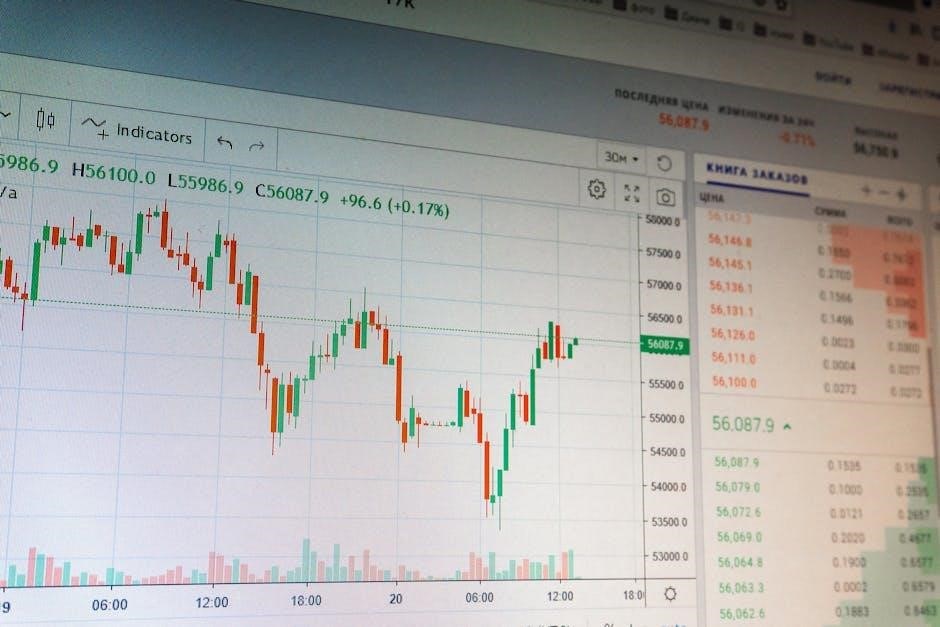
A well-defined playbook will illustrate specific trigger setups with visual examples, acting as a “cheat sheet” for quick reference․ For instance, a long trade example might detail a trigger based on a breakout above a resistance level․ Crucially, the playbook should also outline signals warning of potential trend failure or reversals, prompting protective action․

Clear triggers ensure disciplined execution and adherence to the overall trading plan․

Trade Management Strategies

Effective trade management, detailed in a playbook, encompasses position sizing, strategic stop-loss orders, and precise profit targets for maximizing gains and minimizing risk․

Position Sizing

Position sizing is a critical element within a trading playbook, dictating the appropriate amount of capital allocated to each trade․ It’s not simply about risking a fixed dollar amount; rather, it’s a calculated approach based on risk tolerance, account size, and the potential reward-to-risk ratio of the setup․

A common guideline involves risking only a small percentage – often 1% to 2% – of total trading capital on any single trade․ This protects against significant drawdowns during losing streaks․ The playbook should clearly define the position sizing formula or rules used, ensuring consistency and discipline․

Factors like volatility and the trader’s confidence level in the setup should also influence position size․ Larger positions may be considered for high-probability setups with favorable risk-reward profiles, while smaller positions are appropriate for uncertain or lower-conviction trades․

Stop-Loss Orders

Stop-loss orders are fundamental risk management tools detailed within a trading playbook, designed to automatically exit a trade when it moves against the trader’s position․ They limit potential losses and protect capital, a cornerstone of consistent profitability․

The playbook should specify precise stop-loss placement strategies, often based on technical levels like support and resistance, swing lows/highs, or Average True Range (ATR) calculations․ A rigid rule, such as placing stops a specific ATR multiple away from the entry point, promotes objectivity․

Crucially, the playbook should address whether stop-loss orders are adjusted as the trade evolves․ Some strategies advocate trailing stops to lock in profits, while others maintain fixed stops․ Clear guidelines prevent emotional decision-making and ensure adherence to the plan․

Profit Targets and Exits

Profit targets and exit strategies are critical components of a trading playbook, defining when to secure gains and maximize returns․ The playbook must detail clear criteria for exiting winning trades, preventing over-optimism and protecting realized profits․

Targets can be based on fixed risk-reward ratios (e․g․, 2:1 or 3:1), key technical levels like resistance, or Fibonacci extensions․ The playbook should also outline scenarios for partial profit-taking – scaling out of positions as targets are hit – to reduce risk and lock in gains․

Furthermore, it should address whether to exit 100% of the position at the target or employ a mitigation approach․ Consistent application of these pre-defined exit rules is vital for disciplined trading and long-term success․

Creating a Combined Playbook and Trade Planner

A combined playbook and trade planner consolidates setups, strategies, and visual examples into a single, accessible file for quick reference before trade execution․

Storing Setups and Strategies

Efficient storage of trading setups and strategies is a core function of a combined playbook and trade planner․ This involves meticulously documenting each approach, including detailed descriptions of the market conditions where it performs optimally․

Crucially, the planner should incorporate visual aids – screenshots of chart patterns, key indicator configurations, or annotated examples – to facilitate rapid recognition and execution․ Think of it as a ‘cheat sheet’ for consistent application․

Categorizing setups by market type (trending, ranging, volatile) or asset class further enhances usability․ The goal is to create a readily searchable database of proven strategies, minimizing hesitation and maximizing the probability of successful trades․ Regularly updating this repository with new learnings is essential․

Visual Examples and Cheat Sheets

Integrating visual examples is paramount within a trading playbook PDF․ Charts displaying ideal entry and exit points, annotated with key indicators and price levels, dramatically improve comprehension and recall․ These aren’t just static images; they’re quick references for real-time decision-making․

Cheat sheets summarizing critical rules – position sizing guidelines, stop-loss placement strategies, or volatility thresholds – provide instant access to essential information during fast-paced trading sessions․

Consider including checklists for trade setup verification, ensuring all criteria are met before execution․ A well-designed playbook leverages visual cues and concise summaries to streamline the trading process, reducing cognitive load and promoting disciplined execution․

Target Audience for Trading Playbooks

Trading playbook PDFs cater to diverse professionals, including hedge fund managers, proprietary traders, and investment bank specialists seeking structured,
repeatable trading processes․

Hedge Funds

Hedge funds extensively utilize trading playbooks to standardize strategies across portfolio managers and analysts, ensuring consistent risk management and execution․ These PDFs provide a framework for implementing complex trading ideas, often involving quantitative models and algorithmic trading․

Playbooks help maintain discipline, especially during volatile market conditions, by predefining entry and exit rules, position sizing, and stop-loss levels․ They facilitate knowledge sharing and onboarding of new team members, accelerating the learning curve and promoting a unified approach to trading․

Furthermore, detailed playbooks are crucial for audit trails and regulatory compliance, demonstrating a systematic and well-documented trading process․ The structured format allows for performance analysis and continuous improvement of trading strategies within the fund․

Proprietary Trading Firms

Proprietary trading firms (prop firms) heavily rely on trading playbooks as core components of their trading infrastructure․ These PDFs are essential for scaling profitable strategies and managing risk across a team of traders utilizing firm capital․ Playbooks define specific trading setups, including technical indicators, entry/exit criteria, and risk parameters․

Prop firms often emphasize strict adherence to playbook rules, fostering a disciplined and systematic approach to trading․ This standardization minimizes emotional decision-making and ensures consistent execution․ Detailed playbooks also facilitate performance evaluation, allowing firms to identify and replicate successful strategies․

Moreover, playbooks serve as valuable training materials for new traders, accelerating their development and integration into the firm’s trading environment․ They are vital for maintaining a competitive edge in fast-paced markets․

Investment Banks

Investment banks utilize trading playbooks, though often with a different focus than prop firms․ While profitability remains key, playbooks within investment banks frequently center on facilitating client orders and managing the bank’s own risk exposure related to market-making activities․ These PDFs detail strategies for hedging positions and capitalizing on arbitrage opportunities․

Playbooks in this context often incorporate sophisticated quantitative models and risk management protocols․ They outline acceptable trading ranges, position limits, and escalation procedures for unusual market events․ Compliance and regulatory considerations are heavily integrated into the playbook structure․

Furthermore, investment banks employ playbooks to standardize trading processes across different desks and regions, ensuring consistency and control․ They are crucial for maintaining market integrity and adhering to strict regulatory guidelines;

PDF Format Advantages

PDFs offer portability, accessibility across devices, and enhanced security for sensitive trading strategies․ Version control is simplified,
ensuring traders always use the most current playbook iteration․

Portability and Accessibility

A key benefit of utilizing the PDF format for a trading playbook lies in its exceptional portability․ Traders aren’t confined to a desktop computer; they can access crucial strategies and analysis on smartphones, tablets, or laptops, facilitating informed decisions regardless of location․ This accessibility is paramount for those actively monitoring markets or executing trades remotely․

Furthermore, PDFs maintain consistent formatting across various operating systems and devices, ensuring the playbook appears as intended, without rendering issues․ This eliminates potential confusion arising from differing software interpretations․ The widespread availability of free PDF readers further enhances accessibility, removing software cost barriers for traders․ Essentially, a PDF playbook empowers traders with readily available, reliable information, anytime and anywhere․

Security and Version Control

Employing the PDF format offers inherent security advantages for sensitive trading playbooks; PDFs can be password protected, restricting access to authorized personnel only, safeguarding proprietary strategies from unauthorized distribution․ This is particularly crucial for firms dealing with high-value trading information․

Moreover, PDFs facilitate robust version control․ Each iteration of the playbook can be saved as a new PDF file, maintaining a clear audit trail of changes and allowing traders to revert to previous versions if needed․ This prevents accidental overwrites or loss of valuable insights․ The ability to digitally sign PDFs further enhances security and authenticity, confirming the document’s origin and integrity; This controlled evolution ensures strategies remain current and reliable․

Legal and Ethical Considerations

Trading playbook PDFs must disclose potential conflicts of interest and ensure transparency in practices, adhering to regulatory standards and ethical trading conduct․

Disclosure of Potential Conflicts of Interest

A crucial ethical component of any trading playbook, particularly those shared or sold, centers around transparently disclosing potential conflicts of interest․ Authors or firms creating these playbooks may have vested interests in specific financial instruments discussed within․

For instance, an author advising on trades could directly or indirectly hold positions in those same assets, influencing their recommendations․ Full disclosure is paramount; users must be informed if the playbook creator benefits from the success – or is unaffected by the failure – of suggested trades․

This includes revealing any affiliations with brokers, exchanges, or companies mentioned, ensuring users can assess the objectivity of the playbook’s strategies․ Failing to disclose such conflicts erodes trust and potentially violates regulatory guidelines․

Transparency in Trading Practices

A cornerstone of ethical trading, and vital within a trading playbook PDF, is complete transparency regarding the strategies employed․ The playbook should clearly articulate the rationale behind each trade setup, detailing the specific indicators, patterns, and market conditions triggering entry and exit points․

Vague or overly complex explanations breed distrust and hinder a trader’s ability to understand and adapt the playbook․ Detailed record-keeping of all trades executed based on the playbook is also essential, allowing for performance analysis and identification of areas for improvement․

Furthermore, transparency extends to risk management; the playbook must explicitly outline position sizing, stop-loss placement, and profit-taking strategies, fostering responsible trading habits; Openly communicating these practices builds confidence and accountability․

vinayagar agaval in tamil pdf

Vinayagar Agaval in Tamil PDF: A Comprehensive Guide (Updated 01/01/2026)

Today, on 01/01/2026, devotees can easily access the Vinayagar Agaval in Tamil PDF format, experiencing its spiritual depth and cultural significance digitally through free downloads.

The Vinayagar Agaval stands as a paramount devotional hymn dedicated to Lord Ganesha within the Hindu tradition, specifically revered in Tamil culture. Composed in the 10th century by a poet of the Chola dynasty, this agaval – a unique poetic form – is considered a masterpiece in Ganesha worship.

Its enduring popularity stems from the belief that reciting this hymn removes obstacles and bestows blessings upon the devotee. The readily available Tamil PDF versions ensure accessibility for a wide audience, allowing individuals to connect with this sacred text. The hymn beautifully details Lord Ganesha’s form and narrates associated stories and legends.

The digital availability, through free downloads and platforms like the Tamil Virtual Academy, preserves and propagates this cultural treasure for generations to come. It’s a testament to the power of faith and the beauty of Tamil poetry.

Historical Context of the Agaval

The Vinayagar Agaval originates from the 10th century, flourishing during the reign of the Chola dynasty in Tamil Nadu. This period marked a golden age for Tamil literature and religious expression, fostering the creation of profound devotional works. The agaval poetic form itself was prominent during this era, characterized by its unique structure and rhythmic flow.

The hymn’s creation reflects the deep-rooted reverence for Lord Ganesha within Tamil tradition. The availability of the text in PDF format today is a result of dedicated digitization efforts, including contributions from the Tamil Virtual Academy and the use of tools like Google OCR.

These efforts ensure the preservation and accessibility of this historical and religious treasure, allowing modern devotees to connect with the spiritual legacy of the Chola period through convenient downloads;

The Poet and the Chola Dynasty

The Vinayagar Agaval was composed by an anonymous poet within the vibrant cultural landscape of the 10th-century Chola dynasty. While the poet’s name remains unknown, their work stands as a testament to the era’s artistic and religious fervor. The Chola rulers were known for their patronage of the arts and literature, creating an environment where devotional hymns like this could flourish.

The PDF versions available today allow modern readers to access this historical piece. Digitization, aided by initiatives like the Tamil Virtual Academy, preserves this legacy. The poem’s enduring popularity demonstrates its significance within Tamil religious practice, easily shared through digital downloads.

Significance of Lord Ganesha in Tamil Tradition

Lord Ganesha, known as Vinayagar or Pillayar in Tamil, holds immense importance as the remover of obstacles and the god of new beginnings. The Vinayagar Agaval beautifully encapsulates this reverence, portraying Ganesha as a benevolent deity who blesses devotees with success and prosperity. This devotion is deeply ingrained in Tamil culture and religious rituals.

Accessing the Agaval in PDF format allows for wider dissemination of these beliefs. The hymn emphasizes the sacredness of Ganesha’s lotus feet, symbolizing spiritual liberation. Through free downloads, the poem’s message of overcoming challenges and seeking divine grace continues to resonate with believers today.

Understanding the Text

The Vinayagar Agaval, a 10th-century Tamil poem, is unique in its ‘agaval’ poetic form, praising Lord Ganesha and offering spiritual insights via PDF access.

Agaval: A Unique Poetic Form

Agaval is a distinctive form of Tamil poetry, characterized by its lack of metrical constraints, offering a flowing, almost prose-like rhythm. Unlike many classical Tamil poetic structures, it doesn’t adhere to strict rules of rhyme or syllable count, allowing for a natural and expressive delivery.

The Vinayagar Agaval exemplifies this form beautifully, enabling the poet to convey devotion and philosophical concepts with remarkable freedom. This flexibility is crucial in a hymn dedicated to Lord Ganesha, where nuanced descriptions and elaborate storytelling are paramount. The PDF versions readily available today preserve this unique stylistic element, allowing readers to appreciate the poem’s inherent musicality and lyrical quality.

Essentially, ‘Agaval’ means ‘blank poetry’ in Tamil, and its use in the Vinayagar Agaval contributes significantly to its accessibility and enduring appeal.

The Meaning of ‘Vinayagar’

The term ‘Vinayagar’ itself holds profound significance, directly relating to the core essence of Lord Ganesha’s role in Hindu philosophy. It translates to “He who removes obstacles,” emphasizing Ganesha’s power to clear paths – both internal and external – for devotees; Within the Vinayagar Agaval, this meaning is central, as the hymn is a prayer for the elimination of hindrances and the attainment of success.

The Tamil name ‘Vinayagar’ is often used interchangeably with ‘Pillayar,’ both representing the beloved elephant-headed deity. Accessing the Vinayagar Agaval in PDF format allows a deeper understanding of this name’s resonance throughout the verses, reinforcing the belief in Ganesha’s benevolent intervention.

Ultimately, understanding ‘Vinayagar’ unlocks a key layer of meaning within the poem.

Core Themes and Philosophical Concepts

The Vinayagar Agaval, readily available as a Tamil PDF, delves into profound philosophical concepts centered around devotion, surrender, and the nature of reality. A core theme is the power of Ganesha’s grace to overcome obstacles, both material and spiritual, aligning with Advaita Vedanta principles.

The hymn explores the concept of Maya (illusion) and the path to liberation through devotion. The PDF version facilitates focused study of these ideas, revealing Ganesha as a guide towards self-realization. The poem emphasizes the importance of recognizing the divine within and surrendering to a higher power.

Ultimately, the Agaval presents a path to enlightenment through unwavering faith.

Obstacle Removal and Blessings

The Vinayagar Agaval, accessible in Tamil PDF format, is renowned for its power to remove obstacles and bestow blessings upon devotees. Tradition holds that reciting this hymn eliminates hurdles in life, fostering success and well-being. The PDF allows for convenient and repeated recitation, amplifying its beneficial effects.

The hymn’s verses invoke Ganesha’s compassionate nature, seeking his intervention to clear paths and grant auspiciousness. Many believe consistent engagement with the Agaval attracts positive energy and divine grace.

The Tamil PDF version ensures widespread access to this potent spiritual practice, offering blessings to all who sincerely engage with its verses.

Accessing Vinayagar Agaval in Tamil PDF Format

Numerous websites offer free Vinayagar Agaval Tamil PDF downloads, including religious platforms and the Tamil Virtual Academy, ensuring easy access for all;

Availability of Free Downloads

Vinayagar Agaval in Tamil PDF is remarkably accessible, with widespread availability for free download across various online platforms. This ease of access allows devotees and scholars alike to readily engage with this sacred hymn without financial barriers. Numerous websites dedicated to religious texts and cultural archives host the PDF version, catering to a broad audience.

The digital format ensures preservation and convenient distribution, overcoming geographical limitations. Devotees can easily find and download the text for personal study, recitation, or inclusion in religious practices. This widespread availability reflects the hymn’s enduring popularity and the commitment to sharing Tamil literary heritage. The Tamil Virtual Academy also plays a crucial role in providing scanned PDF copies, further enhancing accessibility.

Reliable Websites for PDF Downloads

Several reputable online resources offer the Vinayagar Agaval in Tamil PDF format, ensuring a secure and reliable download experience. The Tamil Virtual Academy stands out as a primary source, providing scanned versions of the text with a commitment to preserving Tamil literature.

Additionally, various religious and cultural websites dedicated to Hinduism and Tamil heritage frequently host the PDF. Users should exercise caution and verify the source’s credibility before downloading. Utilizing websites with established reputations minimizes the risk of encountering corrupted files or malware. Google’s digital preservation efforts, coupled with the use of OCR technology, also contribute to the availability of clean, searchable PDF versions.

Tamil Virtual Academy and its Contribution

The Tamil Virtual Academy (TVA) plays a pivotal role in the digital preservation and accessibility of the Vinayagar Agaval in Tamil PDF format. They provide a scanned PDF version of this sacred text, making it readily available to a global audience. This contribution is invaluable for scholars, devotees, and anyone interested in Tamil literature and religious traditions.

TVA’s dedication to digitizing classical Tamil works ensures their longevity and wider dissemination. Their efforts support the study and appreciation of this important hymn. The availability of the scanned PDF serves as a foundation for further digital enhancements, like OCR processing, undertaken by individuals like Dr. K. Kalyanasundaram, building upon TVA’s initial contribution.

Google OCR and Digital Preservation Efforts

Google Optical Character Recognition (OCR) technology has been instrumental in transforming the scanned Vinayagar Agaval PDF, provided by sources like the Tamil Virtual Academy, into a searchable and editable digital text. This process is crucial for digital preservation, ensuring the hymn’s accessibility for future generations.

While OCR isn’t perfect, it significantly reduces the manual effort required to create a digital version. Subsequent proofreading, as undertaken by Dr. K. Kalyanasundaram, is vital to correct any OCR errors and maintain accuracy. These combined efforts – scanning, OCR, and meticulous proofreading – represent a significant step in preserving Tamil literary heritage in a digital format.

Content Breakdown & Key Sections

The Vinayagar Agaval features an opening invocation, detailed descriptions of Lord Ganesha, embedded stories, and profound symbolism centered around his sacred lotus feet.

The Opening Invocation

The Vinayagar Agaval’s initial verses serve as a powerful invocation, establishing a reverent tone and setting the stage for the hymn’s devotional exploration of Lord Ganesha. This crucial section doesn’t merely introduce the deity; it actively seeks his blessings and grace.

Traditionally, such invocations in Tamil poetry are meticulously crafted to appeal to the divine, requesting the removal of obstacles and the bestowal of wisdom. The poet humbly submits to Ganesha’s power, acknowledging his role as the remover of hindrances – a core theme throughout the Agaval.

Within the PDF versions available, careful study of these opening lines reveals the poet’s skillful use of language and imagery, laying the foundation for the hymn’s profound spiritual message. It’s a beautiful starting point for understanding the entire work.

Descriptions of Lord Ganesha’s Form

The Vinayagar Agaval dedicates significant portions to vividly describing Lord Ganesha’s divine form, offering a rich tapestry of imagery for devotees. These detailed depictions, readily available within the Tamil PDF versions, aren’t simply aesthetic; they’re deeply symbolic, revealing layers of meaning.

The poet meticulously outlines Ganesha’s large ears, representing receptivity to prayers, his trunk symbolizing the power to overcome obstacles, and his radiant complexion signifying purity. Each feature is imbued with spiritual significance, enhancing the devotional experience.

Studying these descriptions in the PDF allows readers to visualize the deity and connect with his attributes on a deeper level. The text emphasizes the beauty and majesty of Ganesha, fostering reverence and devotion.

Stories and Legends within the Agaval

The Vinayagar Agaval, accessible in Tamil PDF format, isn’t solely a hymn of praise; it intricately weaves in captivating stories and legends surrounding Lord Ganesha. These narratives, central to the poem’s appeal, illustrate Ganesha’s divine play and benevolent interventions in the world.

The PDF versions allow devotees to explore tales of Ganesha’s birth, his playful interactions with his parents, and his triumphs over adversity. These stories aren’t mere entertainment; they convey profound moral and spiritual lessons.

By recounting these legends, the Agaval reinforces Ganesha’s role as a protector, a remover of obstacles, and a source of wisdom. Accessing these stories through the digital PDF enhances understanding and deepens faith.

The Lotus Feet and Their Symbolism

Within the Vinayagar Agaval, readily available as a Tamil PDF, the depiction of Lord Ganesha’s lotus feet holds immense symbolic weight. The Agaval poet reverently describes these feet, elevating them to a focal point of devotion and spiritual significance.

The lotus, in Tamil tradition, represents purity, spiritual awakening, and divine beauty. Ganesha’s lotus feet symbolize the path to liberation, offering refuge and grace to those who surrender to him. The PDF format allows for close examination of these verses.

Meditating on Ganesha’s feet, as described in the Agaval, is believed to dissolve obstacles and bestow blessings. The digital PDF ensures this powerful imagery and symbolism are accessible to all.

Using the PDF Effectively

The Vinayagar Agaval Tamil PDF benefits from tools for reading, annotation, and translation, enhancing understanding for all users, regardless of language proficiency.

Navigating the PDF Document

Successfully navigating the Vinayagar Agaval Tamil PDF requires understanding its structure. Most versions include a table of contents, allowing quick access to specific sections or verses. Utilize the PDF reader’s search function to locate particular keywords or phrases within the text, streamlining your study.

Pay attention to the page numbering, often corresponding to traditional verse numbers. Zooming capabilities are essential for comfortable reading, especially with older scans or specific fonts. Many PDFs are created using Google OCR, so occasional character recognition errors might occur; cross-referencing with other sources can help clarify any ambiguities. Familiarize yourself with the PDF reader’s bookmarking features to save frequently accessed verses for easy retrieval during your devotional practice.

Understanding the Script and Font

The Vinayagar Agaval Tamil PDF predominantly uses the Tamil script, requiring familiarity for direct reading. Variations in font styles exist depending on the digitization source; some PDFs employ traditional Tamil fonts, while others utilize more modern, computer-friendly options. Recognizing Grantha characters, often used for Sanskrit loanwords within the text, enhances comprehension.

Older scanned PDFs might exhibit lower resolution, impacting font clarity. Google OCR, frequently used in creating these digital versions, can sometimes introduce minor font inconsistencies. If encountering difficulties, consider downloading alternative PDF versions or utilizing tools that improve text rendering. Understanding basic Tamil typography aids in distinguishing similar-looking characters and accurately interpreting the verses.

Tools for Reading and Annotating

Several digital tools enhance the Vinayagar Agaval Tamil PDF reading experience. Adobe Acrobat Reader is a standard choice, offering features like zoom, search, and highlighting. Dedicated Tamil PDF readers may provide improved script rendering. For annotation, utilize PDF editors to add notes, underline verses, or bookmark significant passages.

Online platforms like Google Drive allow collaborative annotation. Consider using optical character recognition (OCR) software if the PDF is a scanned image, enabling text selection and search. Digital pens and tablets facilitate handwritten notes directly onto the PDF. Experiment with different tools to find what best suits your learning style and facilitates deeper engagement with the text.

Translation Resources for Non-Tamil Speakers

For those unfamiliar with Tamil, accessing the profound meaning of the Vinayagar Agaval PDF requires translation assistance. Google Translate offers a quick, albeit imperfect, translation of text within the PDF. Dedicated Tamil-English dictionaries, both online and in app format, are invaluable for understanding individual words and phrases.

Seeking guidance from a Tamil scholar or native speaker provides the most accurate interpretation. Online forums and communities focused on Tamil literature can offer collaborative translations and explanations. Remember that poetic nuances are often lost in direct translation; consider multiple resources for a comprehensive understanding of this sacred hymn.

Benefits of Reciting Vinayagar Agaval

Reciting the Vinayagar Agaval removes life’s obstacles, fosters spiritual growth, and holds deep cultural and religious significance for devoted practitioners.

Removing Obstacles in Life

The Vinayagar Agaval is profoundly believed to be a powerful hymn for overcoming challenges. Tradition holds that chanting this sacred text dissolves obstacles hindering one’s path, both material and spiritual. Devotees turn to the Agaval seeking relief from difficulties, believing Lord Ganesha, addressed within the verses, actively intervenes to clear impediments.

The poem’s verses, readily available in Tamil PDF format, are recited with faith, intending to invoke Ganesha’s blessings for a smoother life journey. Many experience a sense of peace and clarity after recitation, feeling empowered to navigate life’s complexities. This belief is deeply rooted in Tamil culture and religious practice, making the Agaval a cherished source of hope and assistance.

Ultimately, the Vinayagar Agaval serves as a potent tool for devotees seeking divine intervention in removing obstacles and achieving their goals.

Spiritual Growth and Enlightenment

Beyond obstacle removal, the Vinayagar Agaval fosters profound spiritual growth. The hymn’s verses, accessible in Tamil PDF format, are designed to elevate consciousness and deepen one’s connection with the divine. Recitation isn’t merely a ritual; it’s a meditative practice that encourages self-reflection and inner peace.

The poetic form and philosophical concepts embedded within the Agaval guide devotees towards enlightenment. Contemplating the descriptions of Lord Ganesha and the symbolism of his lotus feet inspires a quest for higher understanding. Regular engagement with the text cultivates devotion and a sense of surrender to a greater power.

Therefore, the Vinayagar Agaval is a valuable tool for those seeking not only worldly success but also spiritual evolution and lasting inner fulfillment.

Cultural and Religious Significance

The Vinayagar Agaval holds immense cultural and religious importance within the Tamil tradition. Composed in the 10th century by a Chola dynasty poet, it’s considered a masterpiece in the worship of Lord Ganesha. Accessing the text in Tamil PDF format preserves and disseminates this heritage for future generations.

This devotional hymn isn’t simply a poem; it’s a living expression of faith, deeply interwoven with Tamil identity. Its verses are often recited during religious ceremonies and festivals, reinforcing its central role in community life. The belief that reciting the hymn removes obstacles further solidifies its sacred status.

Consequently, the Vinayagar Agaval represents a vital link to Tamil history, spirituality, and artistic expression.

Daily Practice and Rituals

The accessibility of the Vinayagar Agaval in Tamil PDF format greatly facilitates its integration into daily spiritual practices. Many devotees incorporate reciting verses into their morning routines, seeking blessings and obstacle removal from Lord Ganesha.

It’s commonly used during puja (worship) ceremonies, with the hymn’s verses chanted to invoke divine grace. The belief in the power of the lotus feet, as described within the Agaval, encourages focused devotion. Having the PDF allows for convenient access during these rituals.

Furthermore, individuals often study and reflect upon the hymn’s philosophical concepts as part of their personal spiritual growth, enhancing their connection to Tamil culture and faith.

Dr. K. Kalyanasundaram’s Contribution

Role in Digitalizing the Text

The digitalization of the Vinayagar Agaval was a collaborative effort, with key roles played by several entities. The Tamil Virtual Academy provided the foundational scanned PDF of the text, initiating the process of making this ancient hymn accessible in a modern format.

Acknowledgements and Sources

The creation of this digital resource for the Vinayagar Agaval in Tamil PDF format relies heavily on the contributions of several sources. Sincere gratitude is extended to the Tamil Virtual Academy for generously providing the original scanned PDF document, forming the basis of this project.

Importance of Proofreading and Accuracy

Maintaining accuracy is paramount when digitizing sacred texts like the Vinayagar Agaval in Tamil PDF format. The initial conversion using Google OCR, while efficient, inevitably introduces errors. Therefore, rigorous proofreading is essential to ensure the hymn’s integrity and meaning remain uncompromised.

Errors can alter the devotional impact and philosophical nuances of the Agaval. Dr. K. Kalyanasundaram’s commitment to this process is vital, safeguarding the text’s authenticity for future generations. Accurate transcription honors the poet’s original intent and facilitates correct recitation and understanding by devotees worldwide.